Publius Valerius Messalla
Senator · Rome
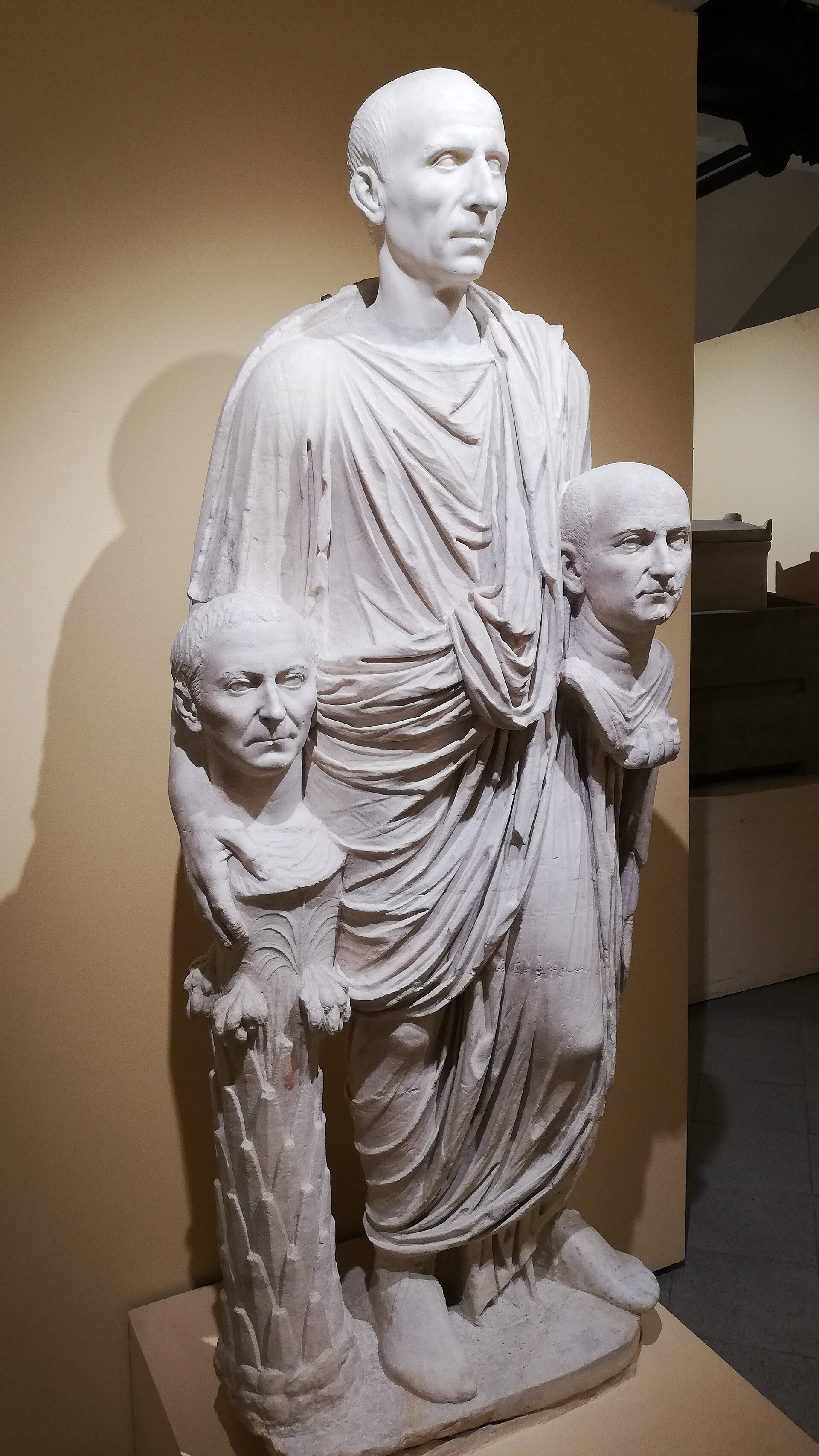
You are one of roughly 600 senators in the Roman state. You are as statistically rare as it gets.
Family and education. Your family, the Valerii, is one of the oldest patrician gentes — they claim descent from the Sabine companions of Romulus. By your generation, the family's political prominence has faded somewhat, but the name still opens doors. Your father held the praetorship but never reached the consulship; he died when you were fifteen. You were raised by your mother, Cornelia, and educated by Greek tutors in rhetoric, philosophy (Stoicism, primarily), and law. You studied briefly in Athens, as was fashionable for elite Romans.
Career — the cursus honorum. Under Augustus's reformed political system, the old Republican magistracies still existed but were now effectively controlled by the emperor. You climbed the ladder: military tribune (a staff officer posting) in Hispania at twenty; quaestor at twenty-five; aedile at thirty; praetor at thirty-five. Each step required the emperor's tacit approval. You learned the fundamental skill of the imperial senator: cultivating the princeps's favor without appearing servile, maintaining dignitas (prestige) without appearing threatening. It was a tightrope.
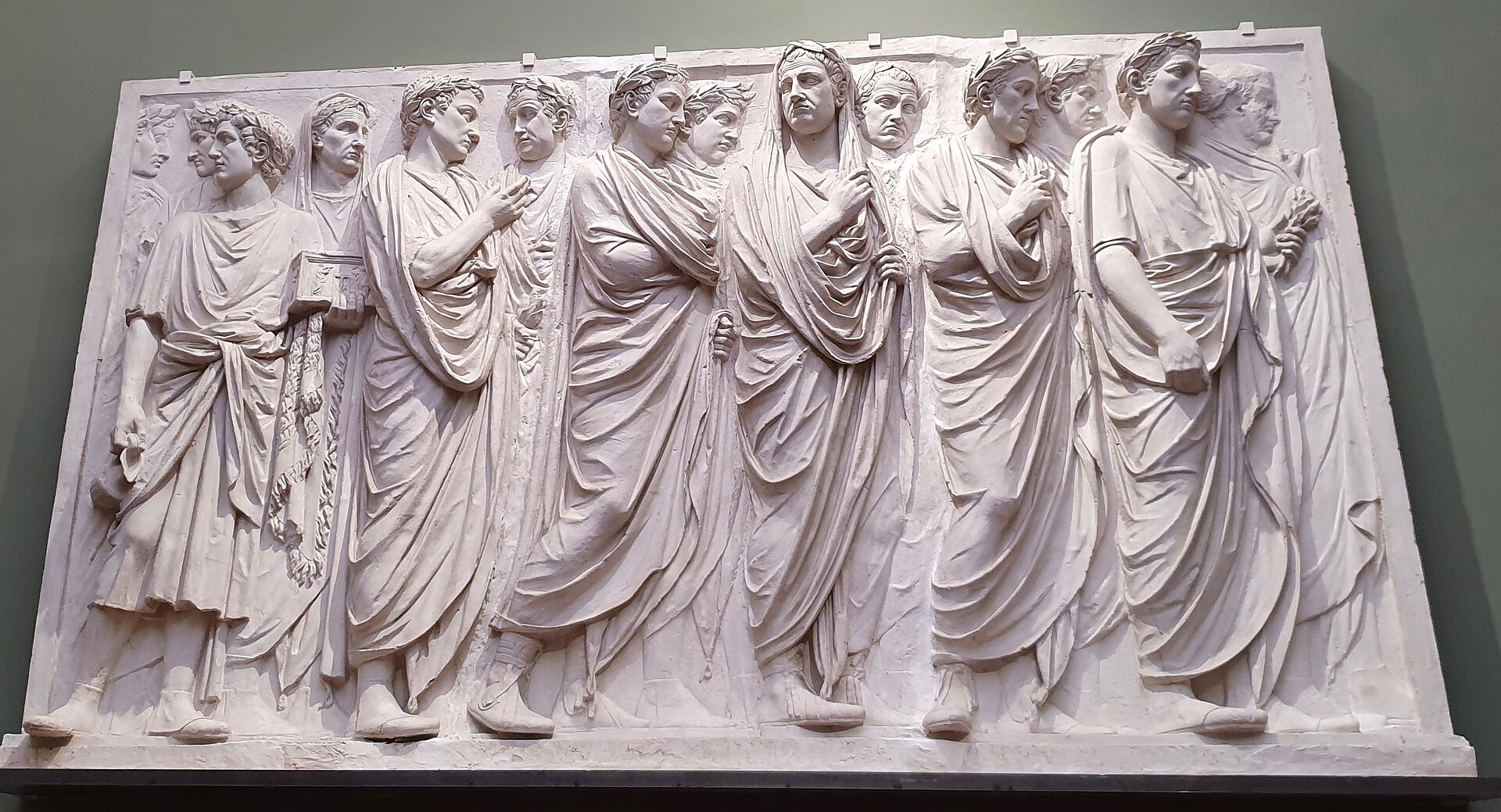
The Augustan twilight (14 AD) and Tiberius. You were thirty-four when Augustus died and the accession of Tiberius transformed the political atmosphere. Augustus had masked autocracy in Republican forms with charm; Tiberius was suspicious, withdrawn, and eventually paranoid. The treason trials (maiestas) began — senators denounced by informers (delatores), tried before the Senate itself, and executed or forced to suicide. During Tiberius's later years, governed through the praetorian prefect Sejanus, the Senate was paralyzed with fear. You survived by cultivating a reputation for harmless literary interests: you published a volume of poetry (mediocre) and patronized historians. Three men you had dined with regularly were accused of treason and killed. You attended their trials. You voted to convict, because the alternative was to be noticed.
Wealth and estates. Your wealth came from land — estates in Campania producing wine and olive oil, managed by slave bailiffs (vilici) you visited annually. You also had properties in Rome, including two insulae in Trastevere that you rented out, and a villa at Baiae on the Bay of Naples. Your annual income was roughly 1–2 million sesterces; the minimum property qualification for the Senate was 1 million. You employed roughly 200 slaves across all properties: field workers, household servants, a secretary (an educated Greek slave named Chrysippus), litter bearers, a cook, and a doorman.
Marriage and family. You married Aemilia, the daughter of a consular family, at twenty-two. The marriage was arranged to consolidate political alliances. You had three children: two sons and a daughter. Your daughter was married at fourteen to a rising equestrian; she died in childbirth at twenty-two, with the child. Your elder son entered the Senate; your younger son showed no political aptitude and managed the Campanian estates. Your relationship with Aemilia was civil but formal — you kept a mistress, a freedwoman, as was entirely standard and drew no comment.
The consulship and Claudius. You reached the consulship at forty-eight — consul suffectus (replacement consul, serving half the year, the standard imperial arrangement that allowed more men to hold the title). Under Claudius (41–54 AD), you served on the imperial consilium (advisory council) and navigated the lethal court politics around the emperor's wives, Messalina and Agrippina the Younger. When Messalina was executed in 48 AD, you were careful to express neither surprise nor satisfaction in public.
Death. You died of natural causes around 54 AD — the year Claudius was poisoned (probably) and Nero became emperor. You were spared the worst of the Neronian era. Your funeral was a public event; the imagines (ancestor masks) were paraded through the Forum. Your elder son delivered the eulogy.
What shaped this life
The cursus honorum, imperial patronage, treason trials, the enormous wealth gap between the senatorial order and the rest of Roman society, and the peculiar combination of immense privilege and mortal political danger that defined life at the top of the Roman hierarchy.
The images above are real museum artifacts and photographs, or commissioned illustrations; full attribution on the credits page.