Gaius Vibius Celer
Legionary · Rhine Frontier
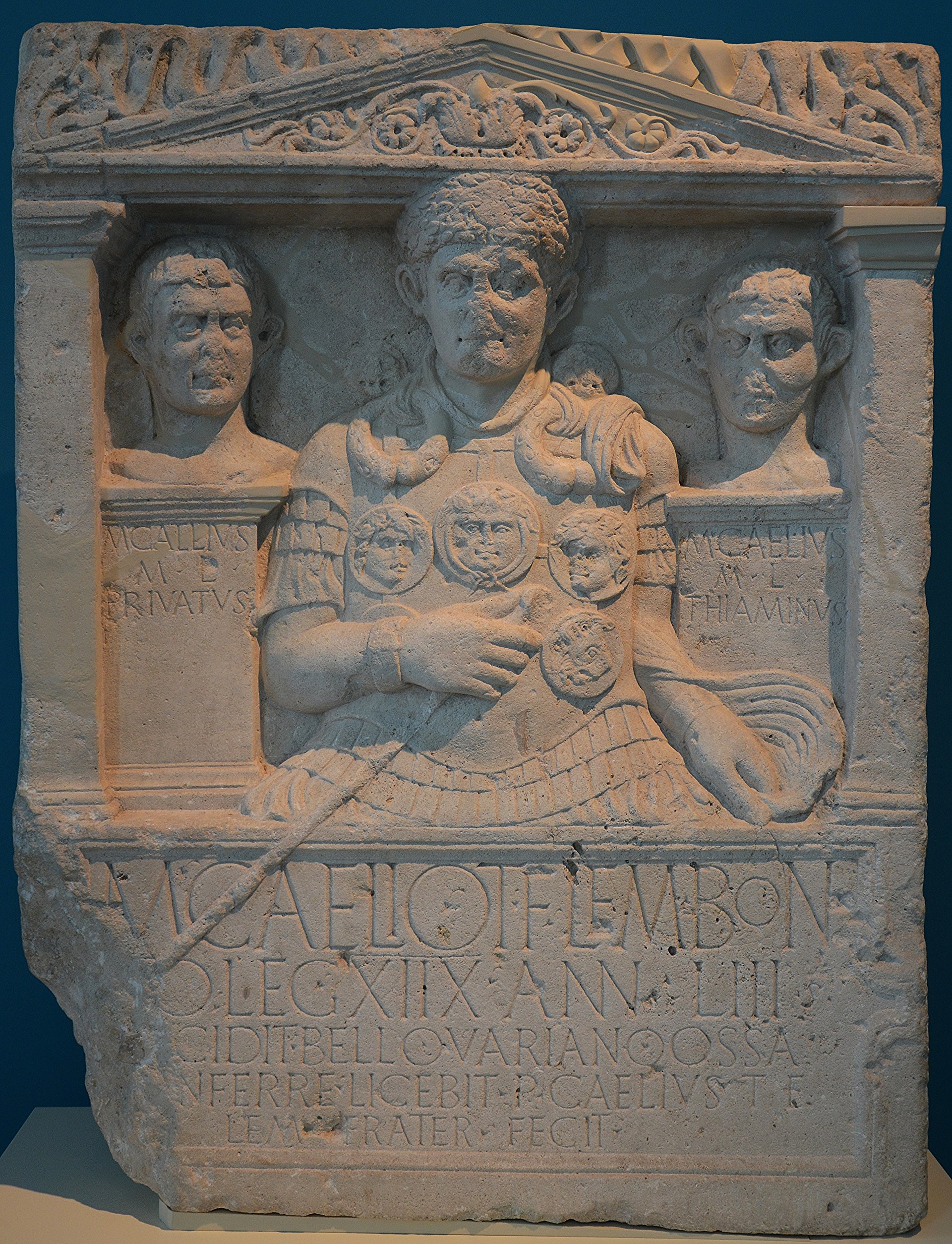
You are a professional soldier in the Roman legions, one of roughly 150,000 legionaries serving across the empire at any given time.
Enlistment. You enlisted at eighteen in Legio XIX, recruited at Beneventum in 6 AD. You were freeborn, a Roman citizen, and met the minimum height requirement (roughly five Roman feet, about 5'6"). You signed up for twenty years of service. Your reasons were economic: your father's small farm could not support three sons, and the legions offered steady pay (225 denarii per year under Augustus), a discharge bonus, and the chance of promotion. You swore the sacramentum — the military oath — and were shipped north to the Rhine frontier.
Training and garrison life. You trained at a camp near Vetera (modern Xanten, Germany). Training was brutal: twenty-mile forced marches in full kit (roughly sixty pounds), sword drill against wooden stakes, fortification construction, and swimming. You learned to build a marching camp from scratch every night on campaign — ditch, palisade, tents in regulation rows. Daily life in garrison was monotonous: drill, guard duty, road construction, latrine digging, bureaucratic record-keeping. Roman soldiers generated an astonishing amount of paperwork. You were assigned to a contubernium — a tent-group of eight men who shared a tent, a mule, and cooking equipment.
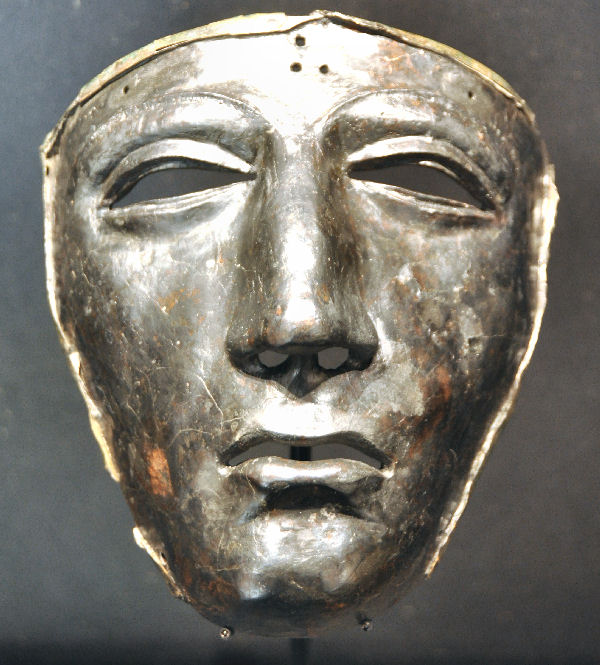
The Teutoburg Forest (9 AD). In September of 9 AD, Publius Quinctilius Varus marched three legions — XVII, XVIII, and XIX — into the forests of Germania east of the Rhine, on what was meant to be a routine punitive expedition. Your legion, XIX, was among them. Arminius, a Germanic chieftain who had served as a Roman auxiliary officer and held Roman citizenship, led them into a trap in the Teutoburg Forest (Kalkriese). Over three days, the Germanic alliance annihilated nearly the entire force — roughly 15,000–20,000 men.
But you were not there. Six weeks before the march, you had been reassigned to a detachment left behind at the Rhine fortress of Mogontiacum (Mainz) to oversee a supply depot. This was random administrative luck. When the news of the disaster reached the Rhine, panic set in. You spent the winter of 9–10 AD on high alert, expecting a Germanic invasion across the Rhine that never fully materialized, partly because Arminius could not hold his coalition together. The three destroyed legions — XVII, XVIII, and XIX — were never reconstituted. Their numbers were retired from the army list. You were reassigned to Legio I Germanica.
Germanicus's campaigns (14–16 AD). Under Germanicus, the nephew and adopted son of Tiberius, you crossed the Rhine multiple times on retaliatory campaigns into Germania. At the Battle of Idistaviso (16 AD), you fought against Arminius's forces on the Weser river and survived. Germanicus's army found the remains of the Teutoburg dead — bleached bones, skulls nailed to trees — and buried them. You had known men among those bones. Tiberius recalled Germanicus from Germania in 16 AD, deciding the Rhine, not the Elbe, would be Rome's permanent frontier. This decision shaped European history.
Personal life. Legionaries were formally prohibited from marriage during service (a rule not abolished until Septimius Severus, c. 197 AD). Like most soldiers, you had an unofficial partner — a Germanic woman named Hludana from a settlement near the camp (the canabae). You had two children with her, though neither had legal status as Roman citizens during your service. If you survived to discharge, your children would receive citizenship.
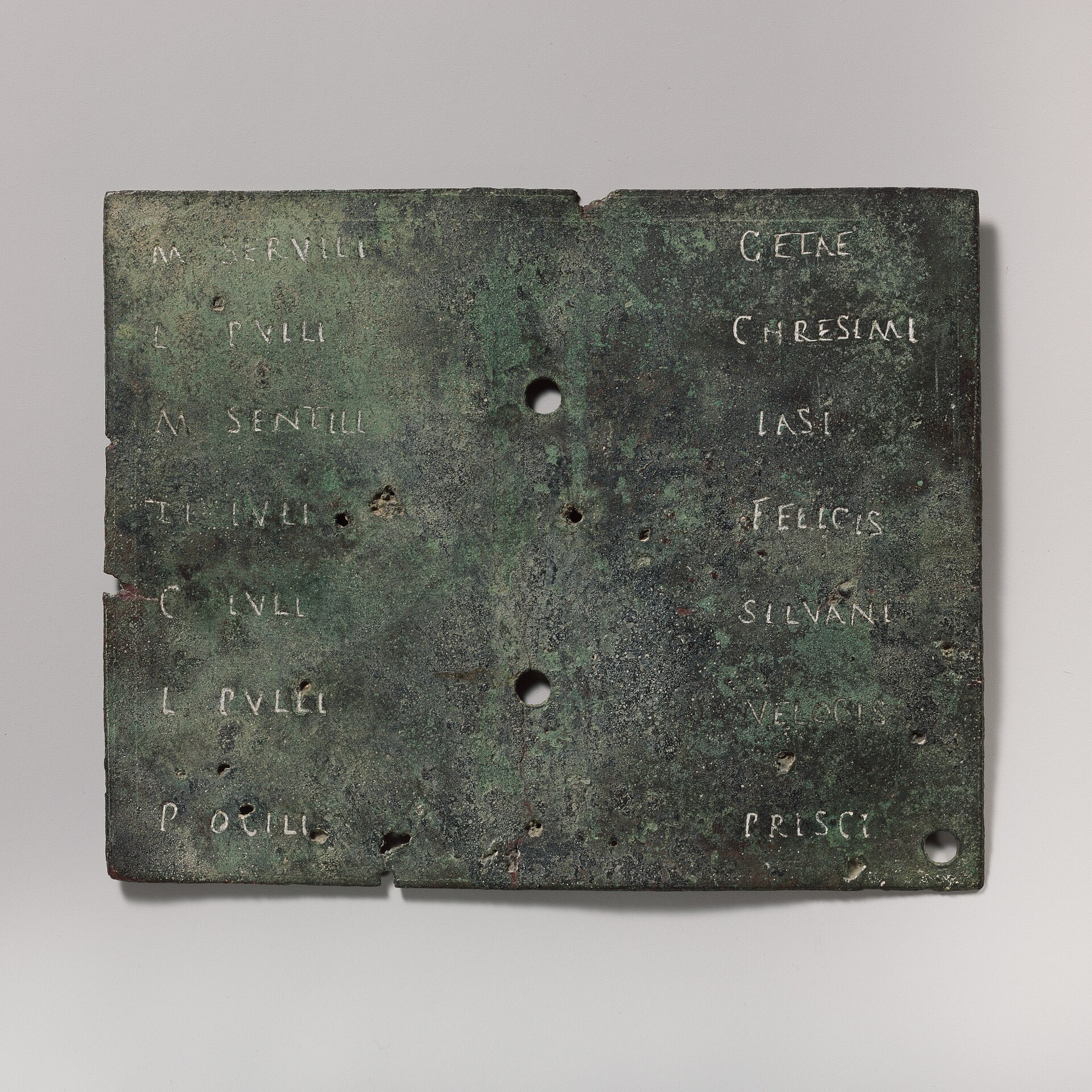
Discharge and death. You completed your twenty-five years of service around 31 AD and received your discharge (missio honesta), a land grant near Mogontiacum, and a bronze diploma confirming your status and granting citizenship to your children. You died shortly after, around age forty-three — roughly the average life expectancy for a man who survived to adulthood in the Roman world, though military service likely shortened it further. Skeletal remains from legionary cemeteries show healed fractures, arthritis, and dental disease as nearly universal.
What shaped this life
The professional army system created by Augustus, the Teutoburg disaster (which permanently defined Rome's northern frontier), the strange blend of bureaucracy and extreme violence that characterized legionary service, and the grinding twenty-five-year commitment that consumed most of a man's adult life.
The images above are real museum artifacts and photographs, or commissioned illustrations; full attribution on the credits page.