Helene
Provincial Woman · Roman Egypt
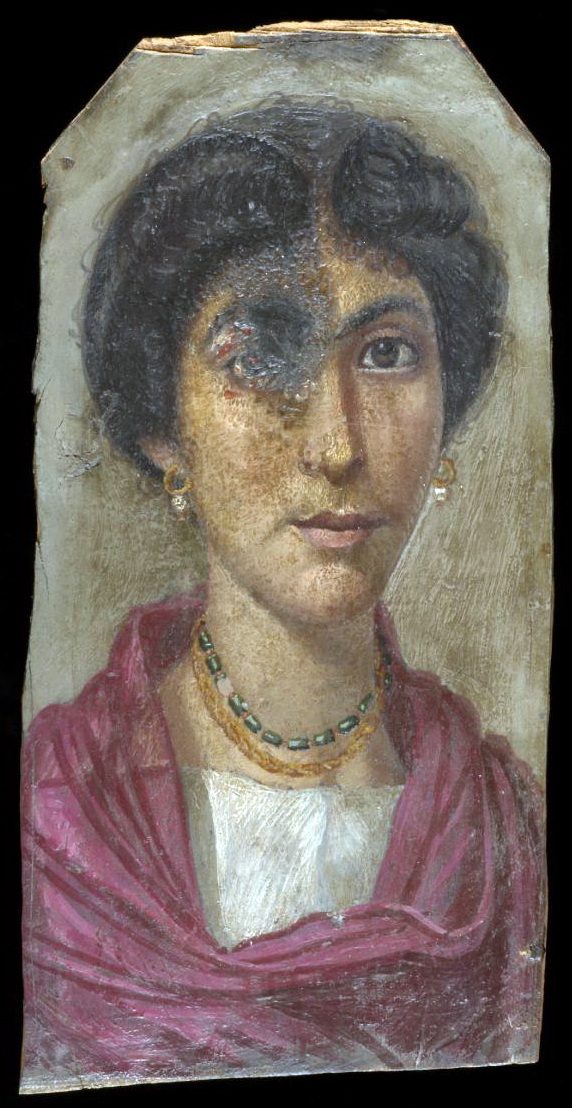
You live in a mud-brick house in a village on the edge of the Fayum oasis, one of the most densely documented places in the ancient world thanks to the dry climate that preserved papyrus. Historians know more about people like you than about almost any other Roman commoners, because your tax receipts, letters, and contracts survived.
Family and childhood. Your father, Pakysis, was an Egyptian of modest means who worked a leased plot of state-owned land, growing wheat and flax. He also kept pigeons, which he sold at the village market. Your mother, Tasoucharion, spun flax into linen thread as piecework for a local weaver. You had four siblings; two survived childhood. Your family spoke Egyptian (Demotic) at home but your father could scratch a few words of Greek for dealing with tax collectors. You never learned to read in either language.
Marriage. You were married at fourteen to Horion, a twenty-six-year-old farmer from a neighboring village. This was typical: Egyptian demographic records show female marriage age averaging 13–15, male marriage age around 25–30. Your dowry was modest — some linen, a bronze mirror, and a small sum of money. You moved into Horion's family home, sharing it with his widowed mother.
Children and mortality. You had seven pregnancies over fifteen years. Two ended in miscarriage. Of the five live births, two children died before age two — one from a fever, one from diarrhea during a summer epidemic. Three survived: two daughters and a son. This roughly matches the demographic models historians use for Roman Egypt: roughly 300 out of every 1,000 children died before age five.
The Antonine Plague (165–180+ AD). When you were about seventeen, the Antonine Plague reached Egypt. It was probably smallpox, carried back by soldiers returning from Lucius Verus's Parthian campaign. The Fayum was devastated. Village tax records from this period show dramatic population drops — some villages lost 30–40% of their inhabitants over a decade. Horion's mother died during the plague years. Two families on your street disappeared entirely. The government struggled to collect taxes from depleted villages, and surviving families were sometimes forced to assume the tax obligations of the dead — a crushing burden called the liturgy system. Your husband was briefly conscripted to serve as a minor village official (a role imposed, not chosen) because so few men were left.
Daily life. Your days followed the agricultural calendar: wheat sowing in November, harvest in April and May, flax processing through the summer. You baked bread in a communal oven, hauled water from the canal, tended chickens and a small vegetable garden. You worshipped Sobek (the crocodile god, traditional in the Fayum), Isis, and — with increasing frequency as the century wore on — you saw neighbors adopt cults of Serapis and even Christianity, though in your lifetime these were still minority practices in rural Egypt. Once a year, you participated in a festival at the nearby temple of Pnepheros.
Later years. Your son inherited the lease on your husband's land. Your elder daughter married a soldier in an auxiliary unit stationed at Koptos. Your younger daughter remained unmarried and lived with you — a situation attested in several Egyptian papyri. Horion died around 190 AD from an infected wound sustained during irrigation canal maintenance. You lived another eight years, increasingly dependent on your son.
Death. You died around 198 AD. A burial contract, if one was written, would have specified the linen wrappings and the small painted portrait panel placed over your face — the famous "Fayum portraits" that survive in museums today are exactly the faces of people like you.
What shaped this life
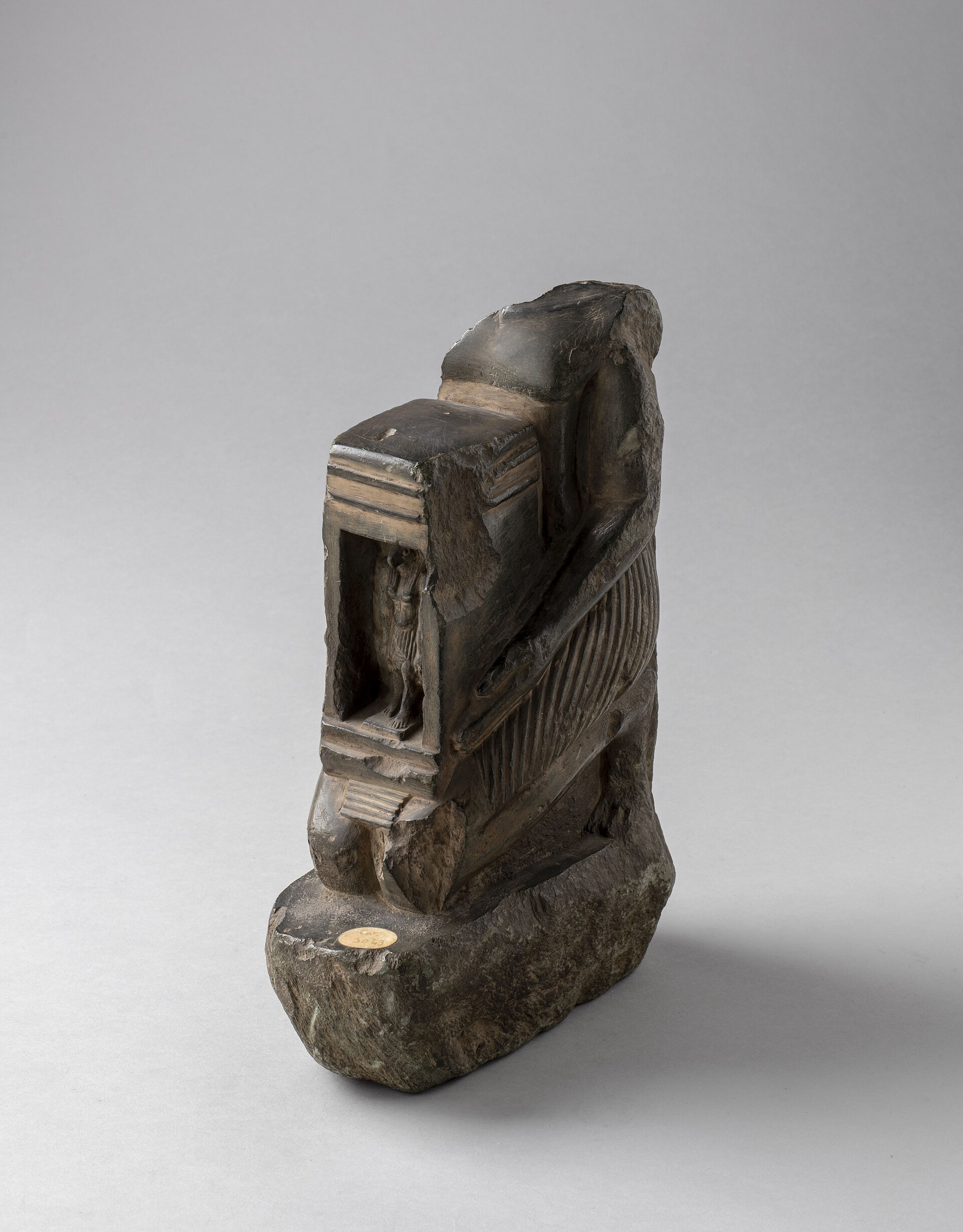
Roman taxation of provincial agriculture, the Antonine Plague, the Fayum irrigation economy, Egyptian traditional religion under Roman rule, and the deep continuity of rural life despite imperial political changes thousands of miles away.
The images above are real museum artifacts and photographs, or commissioned illustrations; full attribution on the credits page.